
EDITORIAL ARTICLE
Ramadan: Why Muslims Fast and What the Month Means
An educational introduction to the worship, Qur’an study, generosity and community life that shape Ramadan.
Before You Begin
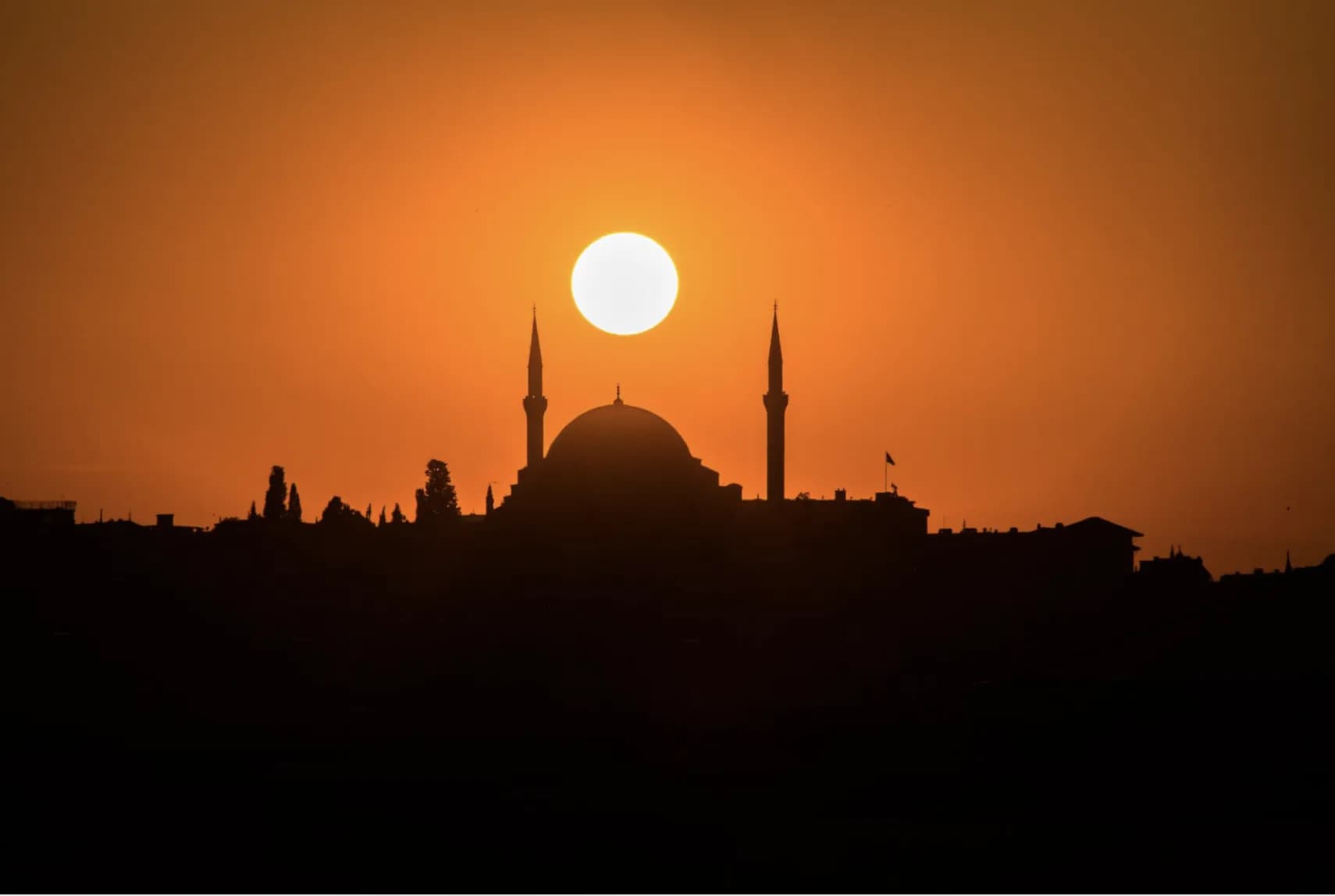
Ramadan is the ninth month of the Islamic lunar calendar and a period of fasting, worship, reflection and community life. Muslims fast during the month as an act of worship and as a means of developing greater awareness of God, discipline and gratitude.
What Is Ramadan?
Ramadan is the ninth month of the Islamic lunar calendar. Because a lunar year is shorter than a solar year, the month moves through different seasons over time. Muslims mark it through fasting, prayer, Qur’an recitation, generosity and reflection.
Why Muslims Fast
Qur’an 2:183 prescribes fasting and connects it with greater awareness of God. Qur’an 2:185 identifies Ramadan as the month associated with the Qur’an and instructs those present and able to fast.
What Happens During the Daily Fast?
The daily fast involves abstaining from food, drink and sexual activity from the beginning of dawn until sunset. It also has an ethical dimension, encouraging care in speech, behavior and relationships rather than treating the practice as hunger alone.
Ramadan and the Qur’an
Ramadan has a special relationship with the Qur’an through Qur’an 2:185. Many Muslims increase recitation and study during the month. This practice is part of the month’s focus, while the Qur’an remains central to Islam throughout the year.
Spiritual Purpose
Fasting trains a person to place worship before immediate desire. It can deepen gratitude, self awareness, patience and concern for others, while reminding the fasting person that the practice is directed to God.
Prayer During Ramadan
The five daily prayers continue throughout Ramadan. Many Muslims also take part in additional night prayers and spend more time in personal supplication and Qur’an recitation. Practice varies with health, capacity and circumstance.
Charity and Generosity
Ramadan often becomes a period of increased charity, shared meals and care for relatives, neighbors and people in need. Generosity supports the month’s moral purpose but should not be used to turn the experiences of vulnerable people into promotional material.
Community and Family
Meals before dawn and after sunset can bring households and communities together. Experiences differ widely, especially for people living alone, working unusual hours or observing the month where Muslims are a small minority.
Who May Be Exempt From Fasting?
Qur’an 2:184 and 2:185 mention illness and travel in connection with making up missed days. Pregnancy, nursing, menstruation, advanced age and chronic illness involve further legal and medical considerations. This general introduction cannot provide an individualized religious ruling or medical recommendation.
The End of Ramadan
The end of the month invites reflection on what was learned and how habits of worship, patience and generosity can continue. The close of Ramadan is not understood as the end of spiritual responsibility.
Eid al Fitr
Eid al Fitr marks the completion of Ramadan. It is observed through communal prayer, gratitude, charity, family and community gathering. Customs vary across cultures while the religious occasion remains shared.
SOURCE TRANSPARENCY
Sources and References
Source material and editorial explanation are identified separately so readers can understand where information comes from.
Qur’an References
- Primary Qur’an reference
Qur’an 2:183
Qur’an 2:183, Arabic text and reference location. No English translation is reproduced on this page.
View source - Primary Qur’an reference
Qur’an 2:184
Qur’an 2:184, Arabic text and reference location. No English translation is reproduced on this page.
View source - Primary Qur’an reference
Qur’an 2:185
Qur’an 2:185, Arabic text and reference location. No English translation is reproduced on this page.
View source - Primary Qur’an reference
Qur’an 2:187
Qur’an 2:187, Arabic text and reference location. No English translation is reproduced on this page.
View source
NEXT LEARNING STEP